You have a piece of land that never gives you a good crop. Maybe it stays wet half the year, maybe there is an old ditch or a swampy corner you have given up on. Or maybe you have a stream, a canal or a lake close by, and you keep hearing that people are making money from fish. But you are not sure. Is fish farming really worth it in Nepal? Which fish should you keep? Will anyone buy them? And how much of this is just talk?
This guide walks you through what fish farming in Nepal actually involves — the water, the species, the systems, and the market — in plain language. It also tells you honestly where the answer depends on your own village, because a lot of it does.
Why fish farming is drawing so much interest in Nepal
Fish farming is not new here. In many ways it is one of the oldest farming systems we have, and small-scale fish farmers in villages across the plain region — the Terai — started doing this years ago. At the same time, aquaculture as an organised farming activity is still fairly new in Nepal. Both things are true, and that is exactly why there is room to grow.
In Nepal, fish farming is treated as a profitable occupation and a real source of income. Commercial fish farming — where you raise fish specifically to sell — offers several profitable opportunities. The traditional practice that villages have followed for generations is now gaining immense popularity, and commercial fish farming in freshwater and in natural lakes is an emerging area.
The push behind all this is demand. Fish consumption in Nepal is increasing dramatically. People are choosing fish because it is a healthy food: low in calories and cholesterol, but rich in protein. That demand is described as immense, and it is one of the main reasons fish farming is becoming popular. Demand for some exotic fish species keeps rising, and that rising demand is causing a spike in fish production.
Do you have enough water? Nepal probably does
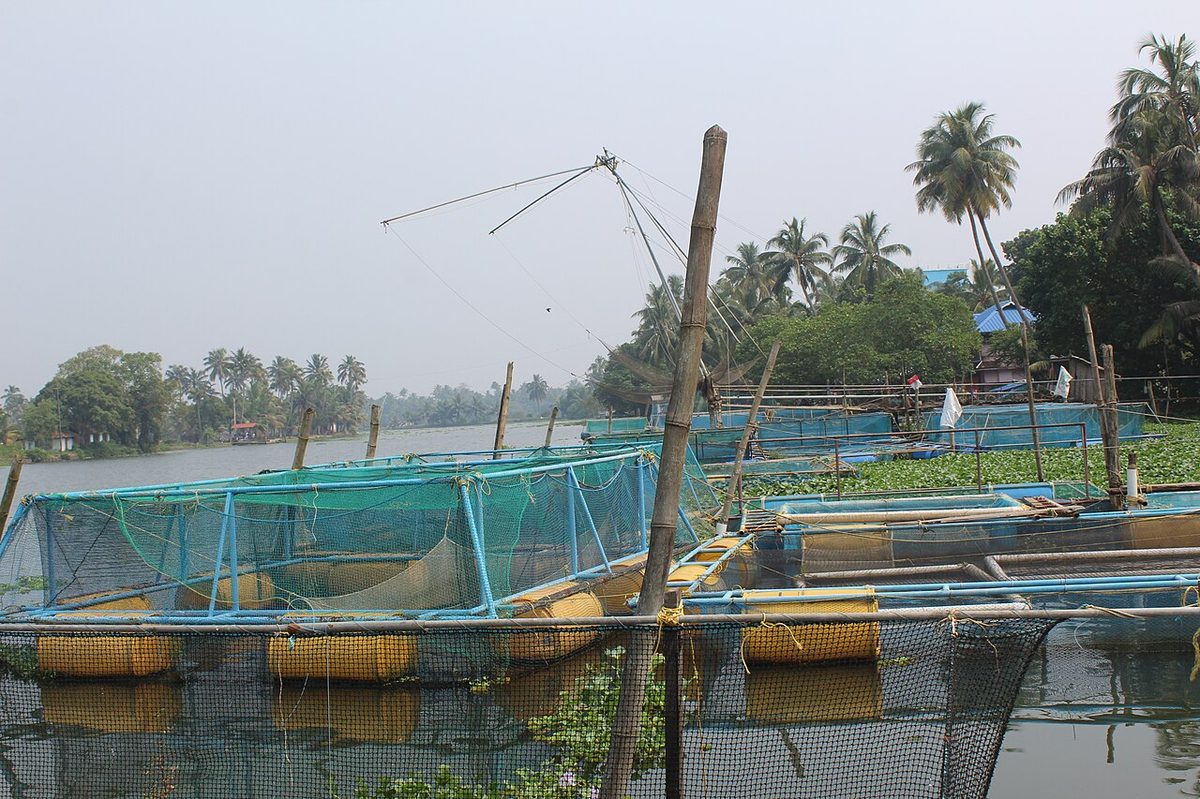
Water is the first question every farmer asks, and Nepal is in a strong position here. The country has more than 6000 rivers and freshwater resources that are suitable for fish farming. Among the main rivers named as natural resources for fish farming are the Koshi and the Gandaki. Natural lakes also come into the picture, especially for commercial freshwater fish culture.
It is not only rivers and lakes. The climate and the nature of the soil are suitable for fish pond construction in different parts of the country. That means in many places you can dig a pond and hold water in it without fighting your land the whole way.
What you still need to check yourself
Water on a map is not the same as water on your plot. Before you commit money, walk your land and think about:
- Whether water reaches you all year, or only in some months
- Whether your soil holds water or lets it drain away
- Whether you are in a warm lowland area or a cool hill area — this decides your species
- Who else uses the same water source, and whether that causes conflict
Pond size, depth, water temperature and water quality targets vary from place to place and from species to species. Rather than copying figures from another district, take your plan to a nearby agriculture or fisheries office, or to an experienced fish farmer close to you, and get advice for your own conditions.
Which fish should you farm?
Your altitude and your water temperature decide this more than your preference does.
Warm-water fish
For warmer water, the species named for Nepal are:
- Common carp
- Grass carp
- Bighead carp
These carps are the familiar backbone of warm-water fish farming in the country, and they suit the plains and other warm areas.
Cold-water fish
For cold freshwater, trout is the species named for Nepal — and rainbow trout in particular stands out as an exotic cold-water species with commercial production potential. Trout has one very attractive feature: it is not expensive to produce, and it is also easy to sell at a high price. Cold-water exotic species like rainbow trout are seen as one of the most encouraging parts of the whole sector.
If you are in a cool hill area with clean, steady cold water, trout deserves a serious look. If your water is warm, stick with the carps.
The details that vary
Stocking densities, how many of each carp species to mix together in one pond, feed types and feeding rates, and how long the fish need before harvest all depend on your system, your water and your market. Ask your nearest fisheries office, a local hatchery or a fish feed dealer for figures that fit your area — and ask more than one, so you can compare.
Ponds or cages?
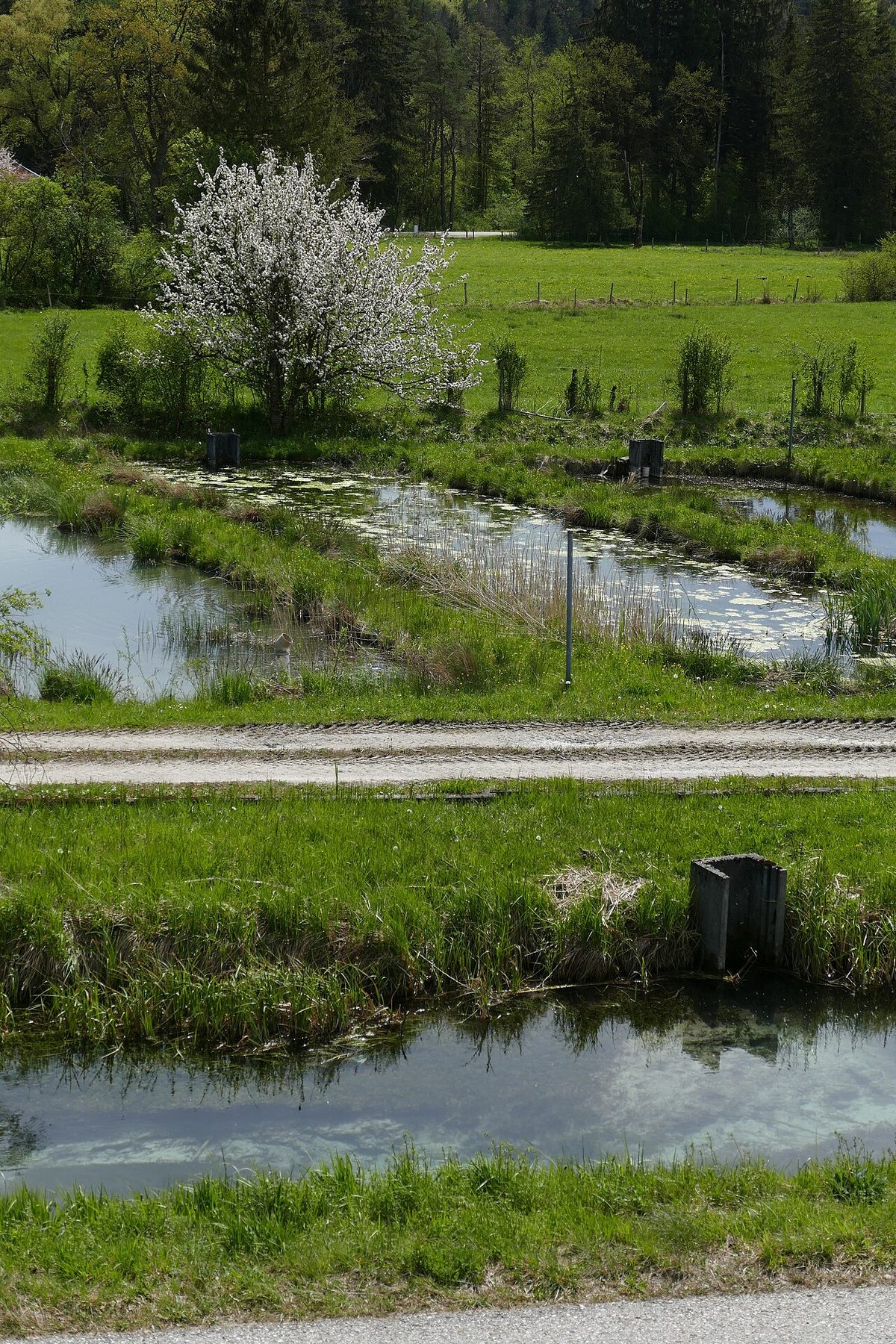
Two systems are recognised for fish farming in Nepal: pond fish culture and cage fish culture.
Pond culture
Ponds are the more familiar route, and Nepal's climate and soil suit pond construction in many parts of the country. If you own land and can hold water on it, a pond gives you full control over your own fish.
Cage culture
Cage culture means raising fish in enclosures set inside a larger body of water. It is a recognised system here, and commercial fish farming in natural lakes is an emerging area — but it is also the route that most clearly demands technical know-how before you start.
Which one is better for you is not something anyone can answer from a distance. The costs, the returns and the practical setup differ by location, water body and species. Look at what successful farmers near you are doing with the same kind of water, and talk to your local office about what is realistic and permitted where you live.
Turning marginal land, swamps and ditches into fish ponds
This is the part that many small farmers miss. Fish culture in marginal irrigated agricultural land, in swamps and in ditches is a fairly recent intervention in Nepal — and the results have been quite encouraging.
It has worked especially well as a poverty-focused activity that improves livelihoods for rural communities. In other words, land that gives you almost nothing as a crop field may give you a genuine income as water. This approach is one that deserves to be properly assessed and expanded as a sustainable activity in the country.
So before you assume you need new land or a big investment, look again at:
- The wet corner of an irrigated plot that never yields well
- An existing ditch or channel on your land
- Swampy ground you have written off
Selling your fish
The good news is the demand side. Fish consumption in Nepal is rising sharply, market demand is immense, and demand for some exotic species keeps climbing. Trout in particular is easy to sell at a high price. Farmed fish also has a story worth telling to buyers: fish farms are described as sustainable and environmentally friendly, with fish raised naturally and free of diseases, pesticides and other harmful toxicants. Organic Farm Nepal is one operator that has started a fish farm using modern technology, raising fish in fresh water and in ponds.
Don't forget ornamental fish
Eating fish is not the only market. The aquarium decoration industry is named as an encouraging market opportunity for aquaculture in Nepal. If you are near a town with aquarium shops, it may be worth asking them what they buy and where they get it.
Be realistic about marketing
Strong demand does not automatically mean easy selling. Fish marketing problems in Nepal are recognised as a genuine issue for farmers, alongside other challenges in the sector. Prices, buyers and transport arrangements differ completely from one district to another, so find out before you stock, not after you harvest. Talk to local traders, hotels and market sellers and ask what they pay, what size they want, and when.
What it takes before you start
Commercial fish farming in freshwater and in natural lakes requires technical knowledge about aquaculture. That is not a warning to scare you off — it is simply the difference between a pond that pays and a pond that quietly loses money. Economic viability is vital for commercial fish cultivation, so the numbers have to work for you specifically.
Climate change is also recognised as an issue for fish farming in Nepal. Exactly how it will affect your water and your season depends on where you are, so keep in touch with local farmers and officers who watch these changes year to year.
Costs, licences, subsidies, loans, insurance, disease treatments and fingerling suppliers all vary by location and change over time. Please do not plan on figures you read anywhere in general — go to your nearest agriculture or fisheries office, a local hatchery or seed dealer, and a vet who handles fish, and get current information for your own area.
Where to go from here
Fish farming in Nepal has the two things a farmer most wants: water that suits it and buyers who want the product. You have more than 6000 rivers and freshwater resources in the country, climate and soil that suit pond construction in many areas, carps for warm water, trout for cold water, and rising demand at the market.
Start small and start informed. Look honestly at your water and your land, including the marginal and swampy parts. Pick the species your water temperature allows. Visit a working fish farm near you and ask hard questions. Confirm your costs, your seed source and your buyers locally before you dig. Do that, and fish farming can become exactly what it already is for many Nepali families — a steady, profitable occupation and a real source of income.
 Menu
Menu
💬 Comments
Login to comment
No comments yet. Be the first to share your experience!