Top 10 birds name in the World
1. Peacock (मोर)
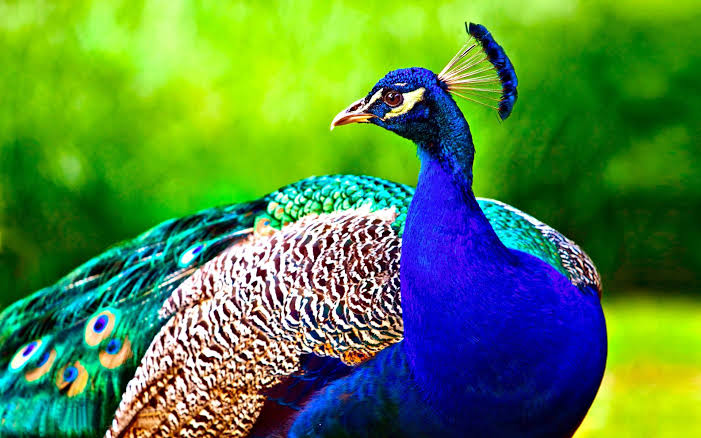
- peacock, also called peafowl, any of three species of resplendent birds of the pheasant family, Phasianidae (order Galliformes).
- In blue and green peacocks, the male has a 90–130-cm (35–50-inch) body and 150-cm (60-inch) train of tail feathers that are coloured a brilliant metallic green.
- During the breeding season, the male forms a harem of two to five hens, each of which lays four to eight whitish eggs in a depression in the ground.
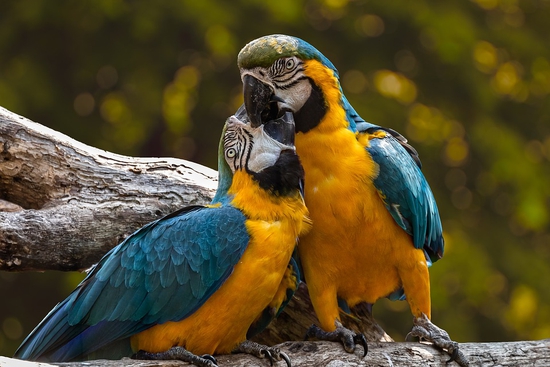
2. Parrot (तोता)
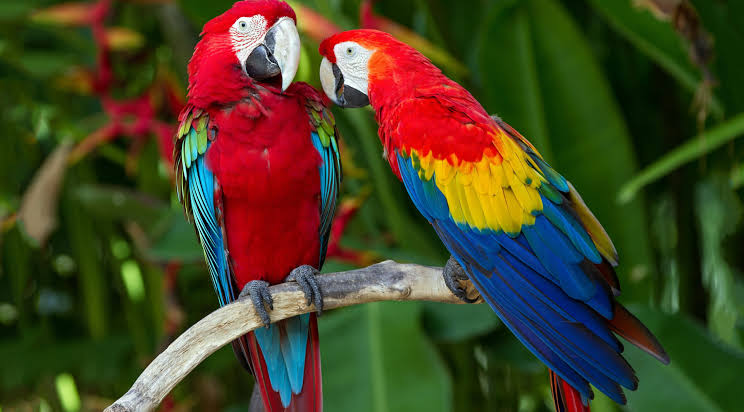
- Parrots are found in warm climates all over most of the world.
- Some parrot species are highly endangered.
- Currently the Convention on International Trade in Endangered Species (CITES) bans the sale of any wild-caught species, yet the parrots' popularity continues to drive illegal trade.
3. Swan (हंस)
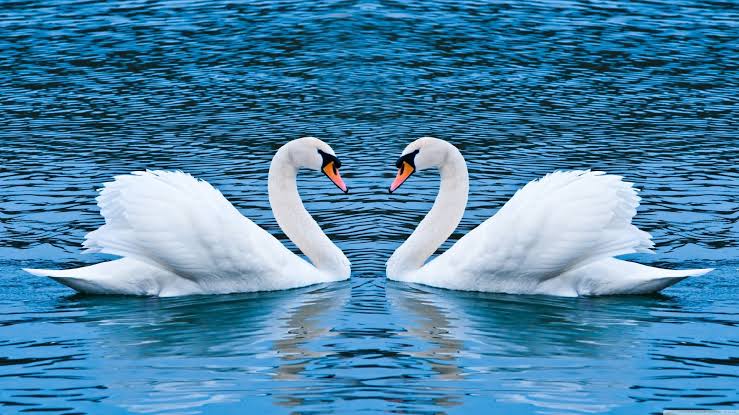
- Swans are birds of the family Anatidae within the genus Cygnus.
- There are six living and many extinct species of swan; in addition, there is a species known as the coscoroba swan which is no longer considered one of the true swans.
- The number of eggs in each clutch ranges from three to eight.
4. Pigeon (कबूतर)
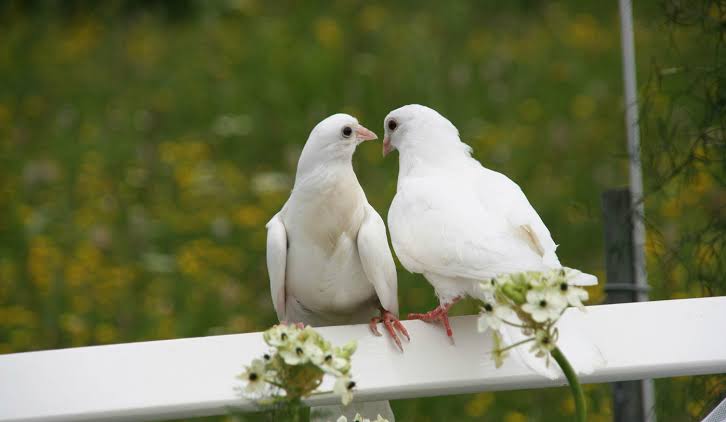
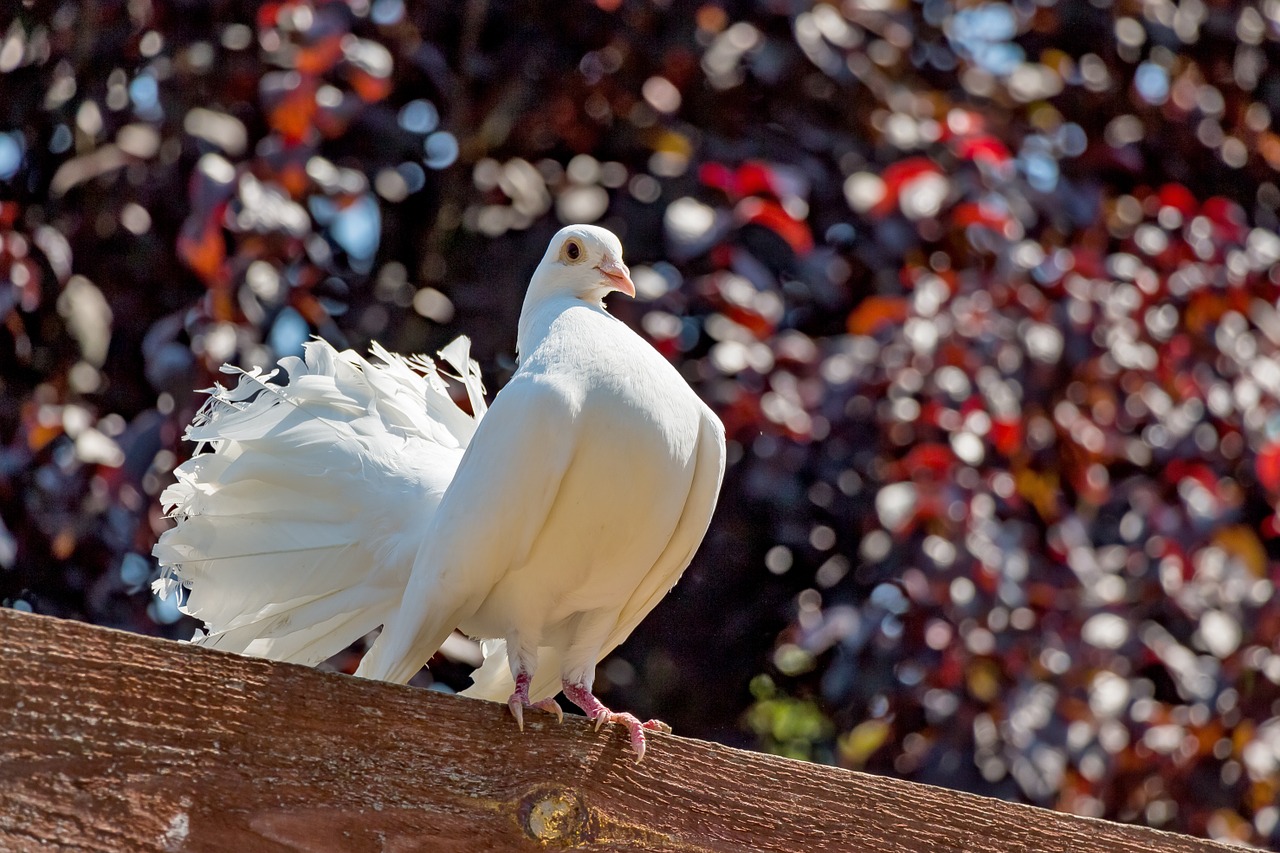
- About 250 species are known; two-thirds of them occur in tropical Southeast Asia, Australia, and the islands of the western Pacific.
- Pigeons are gentle, plump, small-billed birds with a skin saddle (cere) between the bill and forehead.
- The numerous genera of pigeons may be classified into subfamilies as follows.
5. Flamingo (राजहंस)
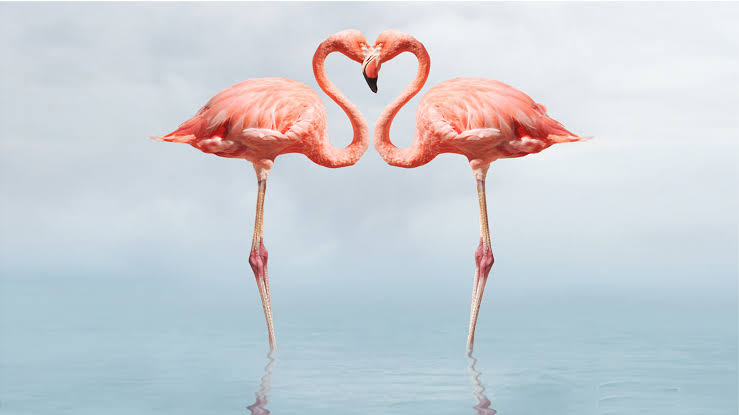
- The flamingo’s pink or reddish color comes from the rich sources of carotenoid pigments (like the pigments of carrots) in the algae and small crustaceans the birds eat.
- In order to fly, flamingos need to run a few paces to gather speed.
- Flamingos are social birds that live in groups of varying sizes, from a few pairs to sometimes thousands or tens of thousands.
6. Kingfisher (राम चिरैया)
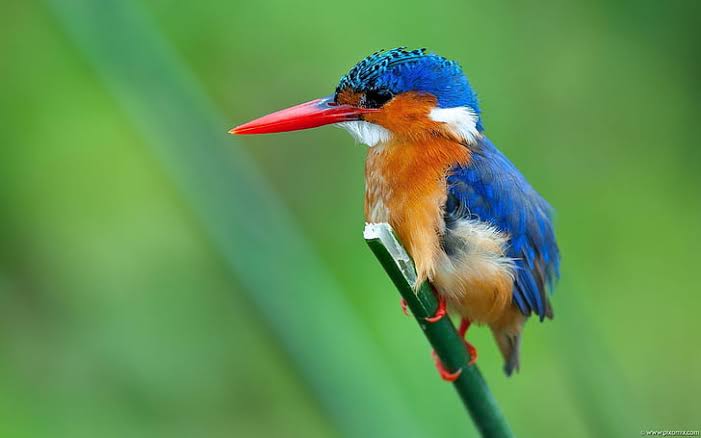
- Most species have bright plumage with only small differences between the sexes.
- While kingfishers are usually thought to live near rivers and eat fish, many species live away from water and eat small invertebrates.
- The smallest species of kingfisher is the African dwarf kingfisher (Ispidina lecontei), which averages 10 cm (3.9 in) in length and between 9 and 12 g (0.32 and 0.42 oz) in weight.[
7. Great Egret (बगुला)
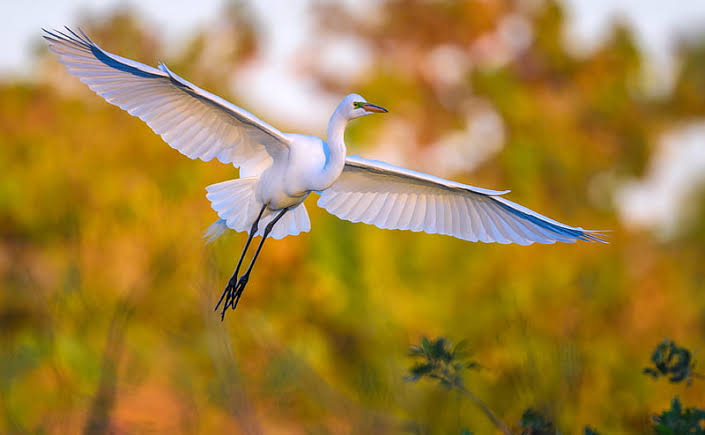
- The Great Egret is the symbol of the National Audubon Society, one of the oldest environmental organizations in North America.
- Aggression among nestlings is common and large chicks frequently kill their smaller siblings
- The oldest known Great Egret was 22 years, 10 months old and was banded in Ohio.
8. Crane (सारस)
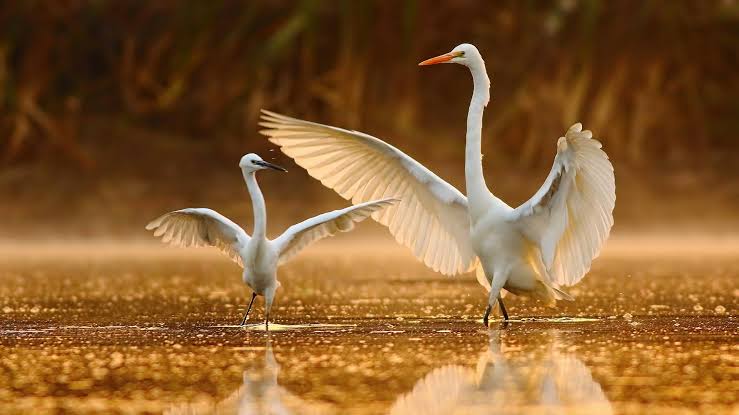
- crane, any of 15 species of tall wading birds of the family Gruidae (order Gruiformes).
- These graceful terrestrial birds stalk about in marshes and on plains, eating small animals of all sorts as well as grain and grass shoots.
- This brownish-gray crane is about 90 to 110 cm (35 to 43 inches) long. Its call is long, harsh, and penetrating.
9. Pheasant (तीतर)
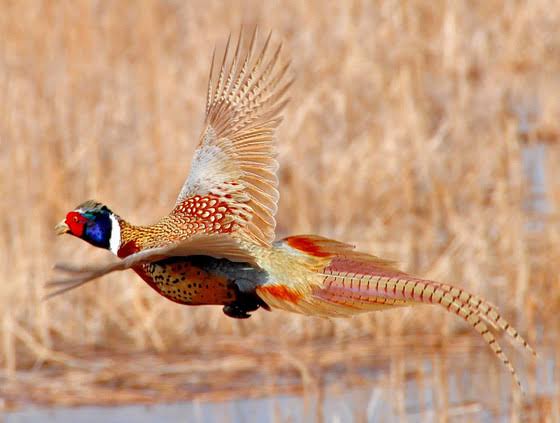
- Pheasants are characterised by strong sexual dimorphism, males being highly decorated with bright colours and adornments such as wattles.
- Pheasants eat mostly seeds, grains, roots, and berries, while in the summer they take advantage of insects, fresh green shoots, spiders, earthworms, and snails.
- The best-known is the common pheasant, which is widespread throughout the world, in introduced feral populations and in farm operations.
10. Blue jay (नीलकंठ)
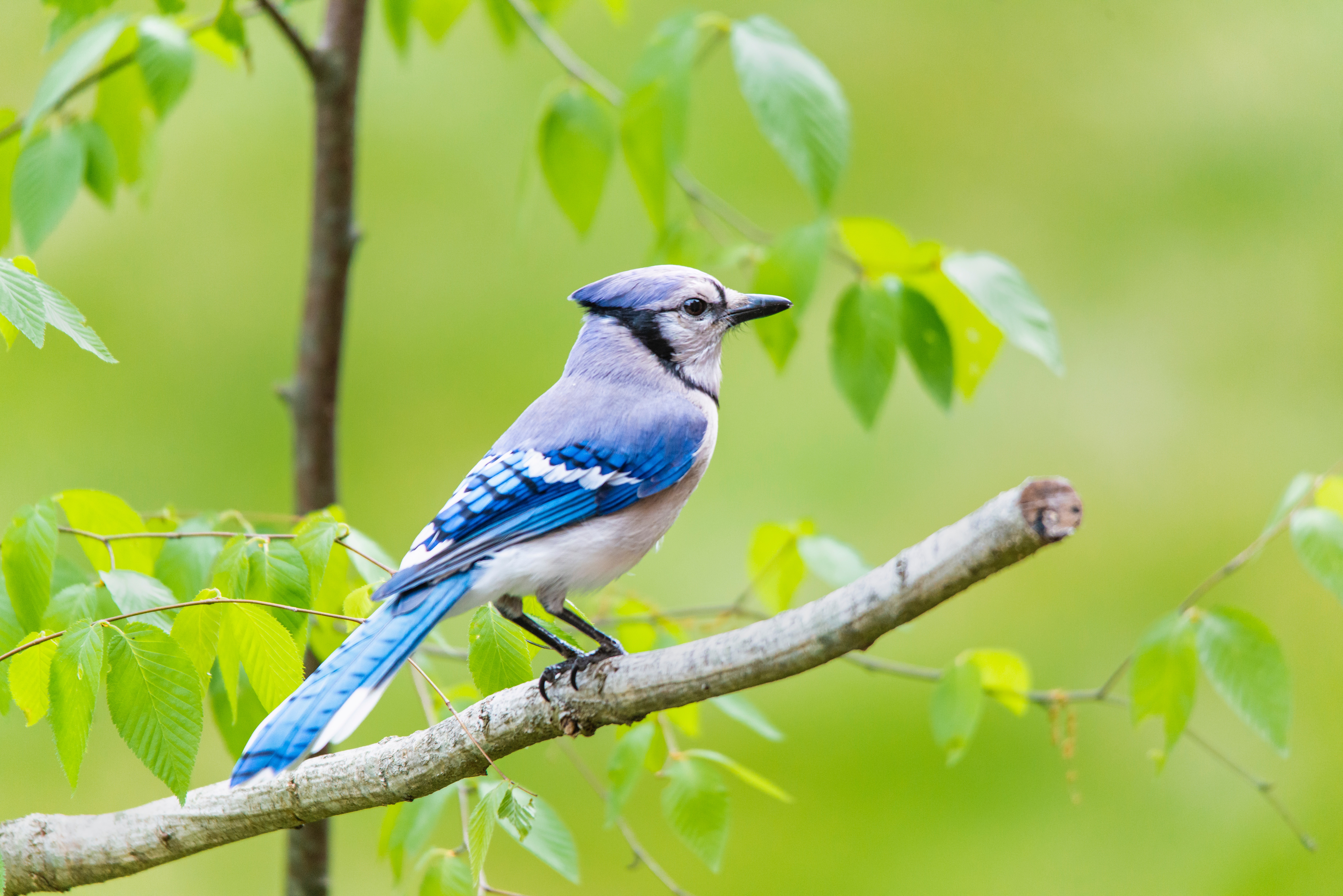
- The blue jay feeds mainly on seeds and nuts, such as acorns, which it may hide to eat later;[2] soft fruits; arthropods; and occasionally small vertebrates.
- It builds an open cup nest in the branches of a tree; both sexes participate.
- The blue jay measures 22–30 cm (9–12 in) from bill to tail and weighs 70–100 g (2.5–3.5 oz), with a wingspan of 34–43 cm (13–17 in).
💡 Tip: Keep simple records and monitor your animals regularly. Consistent tracking helps you spot problems early and get better results over time.
⚠️ Important: If you notice any health issues, consult a veterinarian immediately. Prevention is always better than treatment.
 Menu
Menu
💬 Comments
Login to comment
No comments yet. Be the first to share your experience!