Animals eat both plants and animals
1. Dogs

- Dogs were the first animal species to be domesticated, and they have been selectively bred over the years for their physical attributes, sensory capabilities, and various behaviors.
- There are many different shapes for dog tails straight, straight up, sickle, curled, or corkscrew.
- Many people consider dogs to be carnivorous however, based on their nutrition and metabolism, they are omnivores.
2. Bears

- Bears are grouped as doglike carnivorans or caniforms, and they belong to the family Ursidae.
- While the polar bear is mostly carnivorous, and the giant panda feeds almost entirely on bamboo, the remaining six species are omnivorous with varied diets.
- They have sharp claws and the jaw pressure powerful enough to crush a human skull.
- The poaching and international trade of these most threatened populations are prohibited, but still ongoing.
3. Raccoons
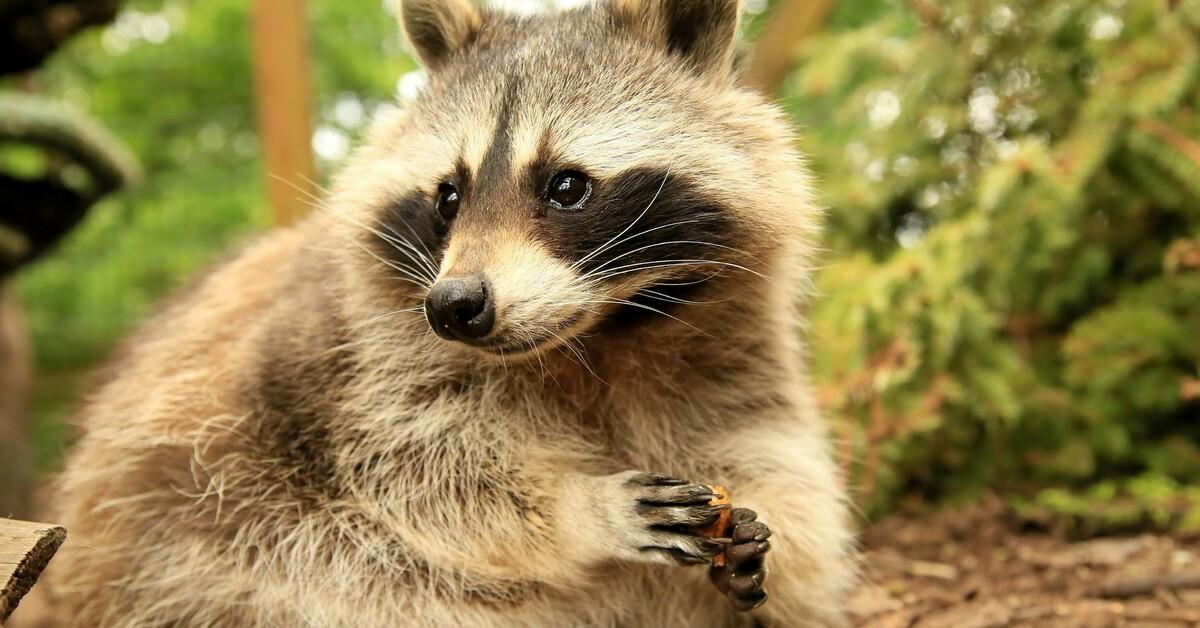
- Raccoons also referred to as northern raccoons, or coon, are medium-sized mammals that can be found in North America.
- Their diet consists of a wide variety of many different foods, eating plants, vertebrates, and invertebrates.
- Though previously thought to be generally solitary, there is now evidence that raccoons engage in sex-specific social behavior.
- Raccoons are known predators of hatchlings and eggs in reptile and bird nests.
4. Chipmunks

- A chipmunk is a small striped rodent belonging to the Sciuridae family.
- They use their cheek pouches to store food, to carry it back to their burrow.
- As a result, most taxonomies over the twentieth century have placed the chipmunks into a single genus.
- Chipmunks are considered to be pests since they consume cultivated vegetables and grains among other plants in the gardens and farms.
5. Squirrels
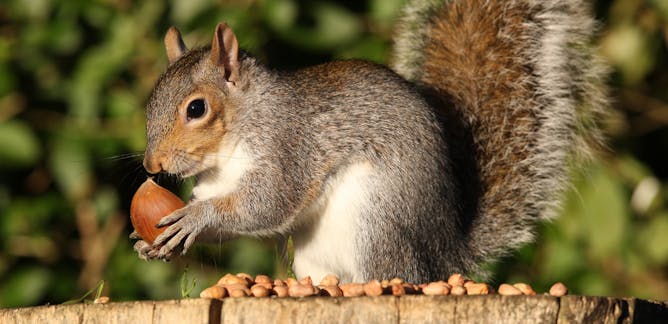
- Squirrels belong to the family Sciuridae, and they are native to Africa, Eurasia, and the Americas.
- The earliest known fossilized squirrels date from the Eocene epoch, and among other living rodent families, the squirrels are most closely related to the mountain beaver and to the dormice.
- Squirrels are agile creatures, their feet can rotate 180 degrees, and they are able to climb down trees headfirst.
6. Opossum
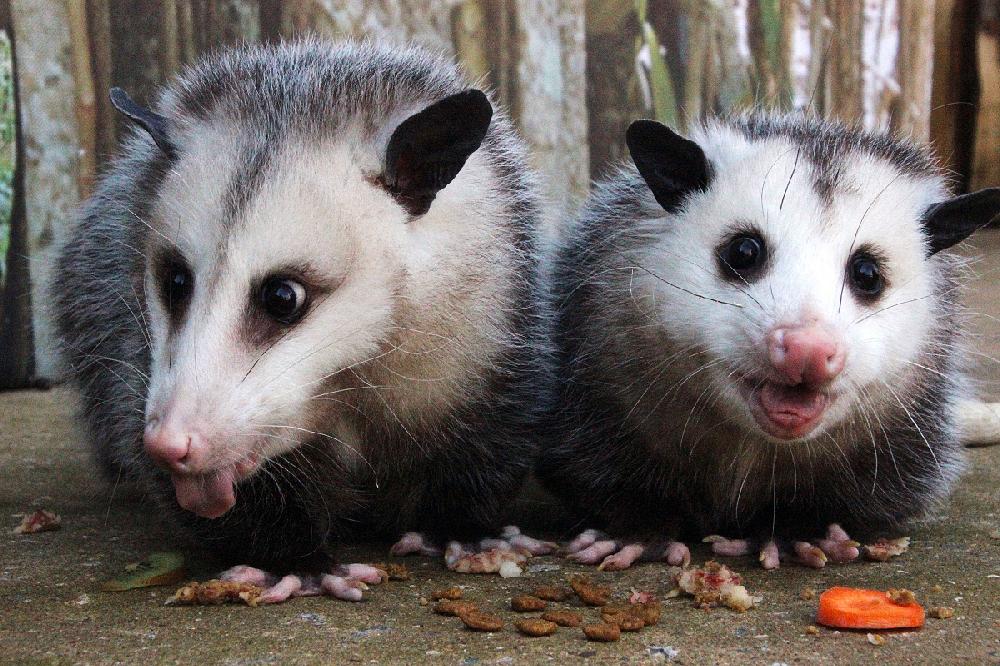
- Opossums are marsupials that originated in South America and later entered North America.
- Their unique reproductive habit, flexible diet, and unspecialized biology make them successful survivors in diverse conditions and places.
- Opossums are usually solitary and nomadic, staying in one area as long as food and water are easily available.
- They also consume grains, frogs, plants, fruits, and eggs.
7. Hedgehogs

- Hedgehogs are spiny mammals that belong to the subfamily Erinaceinae.
- Hedgehogs share distant ancestry with shrews (family Soricidae), with gymnures possibly being the intermediate link, and they have changed little over the last fifteen million years
- Hedgehogs are easily recognized by their spines, which are hollow hairs made stiff with keratin.
8. White-Footed Mouse

- The white-footed mouse, also known as a wood mouse, is a very timid creature, avoiding humans and danger of any kind as much as possible.
- White-footed mice are omnivorous, and eat seeds and insects
9. Brown Rat
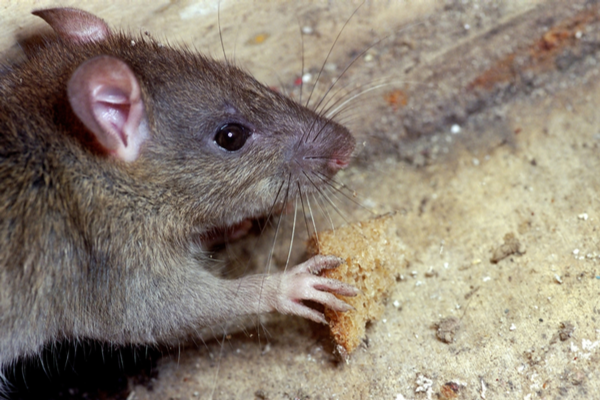
- rown rats are a perfect example of a true omnivore, eating almost anything they come across.
- One of the largest muroids, it is a brown or grey rodent with a head and body length of up to 28 cm (11 in) long, and a tail slightly shorter than that.
- Brown rats have acute hearing, are sensitive to ultrasound, and possess a very highly developed olfactory sense.
10. Western gorilla
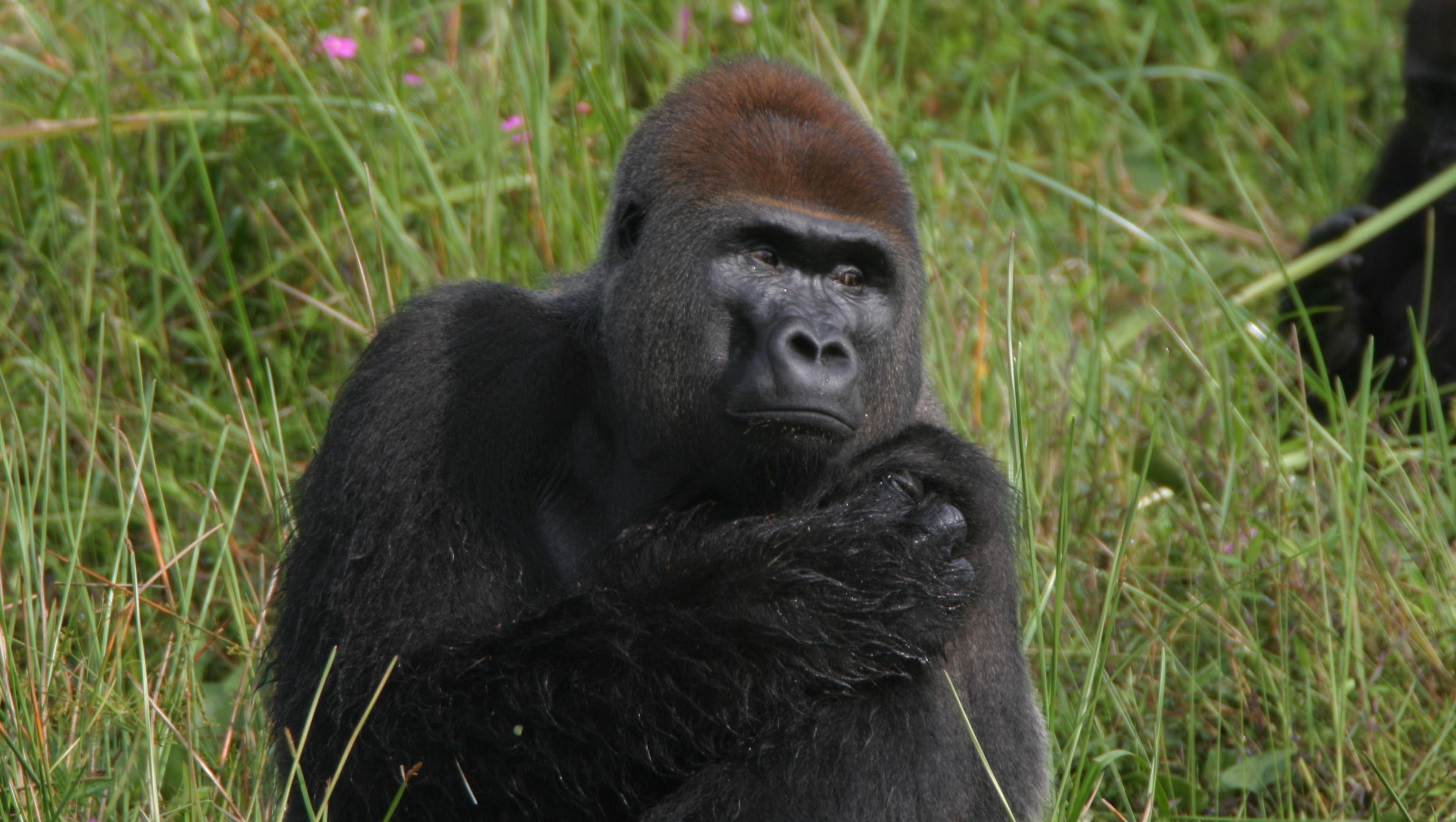
- Gorillas are the largest of the primates. Western Gorillas are social animals living in units called Harems.
- Western gorillas live in groups that vary in size from two to twenty individuals.
- Western gorillas' diets are high in fiber, including leaves, stems, fruit, piths, flowers, bark, invertebrates, and soil.
| no. | name |
| 1. | Dogs |
| 2. | Bears |
| 3. | Raccoons |
| 4. | Chipmunks |
| 5. | Squirrels |
| 6. | Opossum |
| 7. | Hedgehogs |
| 8. | White-Footed Mouse |
| 9. | Brown Rat |
| 10. | Western gorilla |
💡 Tip: Keep simple records and monitor your animals regularly. Consistent tracking helps you spot problems early and get better results over time.
⚠️ Important: If you notice any health issues, consult a veterinarian immediately. Prevention is always better than treatment.


 Menu
Menu
💬 Comments
Login to comment
No comments yet. Be the first to share your experience!